
frameless lighted bathroom mirror
Types of Ground Anchors A Comprehensive Overview Ground anchors are essential elements in various engineering and construction projects, providing stability and support for structures ranging from buildings to retaining walls, bridges, and more. They are crucial for managing forces such as tension and shear, ensuring the safety and longevity of the structures they support. This article delves into the different types of ground anchors, their applications, advantages, and limitations, providing a comprehensive understanding of this vital engineering component. 1. Mechanical Anchors Mechanical anchors work by utilizing expansion methods to secure themselves in place within a substrate, typically concrete or rock. Common types of mechanical anchors include - Expansion Anchors These are commonly used in concrete. When a bolt is tightened, it expands the anchor against the sides of the drilled hole, creating a strong hold. - Sleeve Anchors Made of a bolt and a sleeve that expands against the surrounding material when the bolt is tightened. They are effective in various applications, particularly in medium-load scenarios. - Wedge Anchors These are designed with a tapered end that securely locks into place as the bolt is tightened, making them ideal for heavy-duty applications. Applications Mechanical anchors are widely used in building construction, sign mounting, and in applications where load-bearing strength is required. Advantages They provide instant load-bearing capacity when installed correctly, and they are adaptable to various substrates. Limitations The effectiveness of mechanical anchors greatly depends on the substrate quality, and they may not perform well in softer or vulnerable materials. 2. Chemical Anchors Chemical anchors utilize adhesive bonding to secure themselves within a drilled hole. These anchors generally come in two-component systems that include a resin and a hardener, which cure when mixed together. Applications Chemical anchors are particularly beneficial in situations where high tensile strength is required or where vibrations may affect other anchoring methods. They are often used in securing rebar to concrete, heavy machinery, and in seismic retrofitting applications. Advantages Their superior load-bearing capabilities and resistance to environmental factors like moisture and chemical exposure make them a preferred choice in critical installations. Limitations The installation process requires careful mixing and curing time, which can prolong project timelines . Additionally, they may be more expensive compared to mechanical anchors. types of ground anchors 3. Soil Anchors Soil anchors are used to secure structures to the ground in softer soil conditions. They can be constructed using various methods such as - Augered Anchors These are drilled deep into the soil and can be filled with concrete to enhance their load-bearing capacity. - Drilled Shafts Often used in deep foundation work, these involve boring large-diameter holes and pouring concrete to create a solid anchor point. - Helical Anchors Featuring a helical design that allows them to be screwed into the ground, these anchors provide excellent resistance to tension and are often used in retaining walls and telecommunication towers. Applications Soil anchors are extensively utilized in the construction of retaining walls, slope stabilization, and in the foundation work for various structures. Advantages They are relatively easy to install, can be deployed in challenging soil conditions, and are resistant to lateral forces. Limitations Their effectiveness can be highly dependent on soil conditions, which require detailed geological surveys before implementation. 4. Rock Anchors Rock anchors are specifically designed for applications in rocky terrains. These anchors can integrate mechanical and chemical anchoring methods to provide exceptional stability. Applications They are commonly used in the mining industry, tunneling, and in stabilizing problematic rock faces in civil engineering works. Advantages Rock anchors provide high load-bearing capacity and can be used in extreme conditions. Limitations They often require specialized equipment and skilled labor for installation, increasing project costs and complexity. Conclusion Ground anchors play a pivotal role in ensuring the safety and durability of structures across varied applications. Understanding the different types of anchors, namely mechanical, chemical, soil, and rock anchors, allows engineers and construction professionals to select the most effective solutions according to specific project needs and environmental conditions. Ultimately, the right choice of ground anchoring will contribute significantly to the success and stability of engineering projects, safeguarding them against the forces of nature and human activity alike.
about
frameless lighted bathroom mirror
Understanding One-Way Check Valves Functionality and Applications One-way check valves are crucial components in various fluid systems, utilized across numerous industries including water treatment, oil and gas, chemical processing, and HVAC systems. These valves allow fluid to flow in one direction while preventing backflow, thereby ensuring the efficiency and safety of fluid transfer processes. What is a One-Way Check Valve? A one-way check valve is a simple yet effective device that automatically prevents the reverse flow of liquids or gases. The design typically includes a valve body, a disc or ball that acts as the closure mechanism, and a seat against which the disc or ball seals when backflow occurs. This mechanism is key in various applications where maintaining the direction of fluid flow is vital for operational stability and system integrity. How Do One-Way Check Valves Work? The primary operation principle of a one-way check valve is based on fluid pressure. When the upstream pressure (the pressure in the system pushing the fluid towards the valve) exceeds the downstream pressure (the pressure on the opposite side of the valve), the valve opens, allowing fluid to flow through. Conversely, when the downstream pressure exceeds the upstream pressure, the valve closes, preventing any fluid from flowing back into the system. This automatic response ensures that the flow direction is maintained, which is essential for preventing damage to equipment and maintaining system efficiency. Types of One-Way Check Valves There are several types of one-way check valves, each suited for specific applications 1. Ball Check Valve This design features a spherical closure element that moves up and down to allow or block flow. It is used in applications requiring tight sealing and minimal leakage. 2. Swing Check Valve Utilized in larger systems, its armature swings on a hinge to allow fluid flow . This type offers a simple and effective solution for many drainage and sewer systems. one way check valve 3. Lift Check Valve This valve design incorporates a disc that lifts off the seat as fluid passes through. It is commonly used in high-pressure applications. 4. Diaphragm Check Valve This features a flexible diaphragm that opens and closes in response to fluid pressure changes, suitable for gases and corrosive fluids. Applications of One-Way Check Valves One-way check valves are widely used in several applications - Water Supply Systems To prevent backflow, maintaining water quality by ensuring that contaminated water doesn’t enter the clean water supply. - Pumping Stations To prevent reverse flow when pumps are turned off, protecting equipment and maintaining system pressure. - Chemical Processing In processing plants, to ensure that chemicals only flow in one direction, preventing cross-contamination of substances. - HVAC Systems Utilized in heating systems to ensure that heated water flows in the correct direction, optimizing energy efficiency and system performance. Benefits of Using One-Way Check Valves The use of one-way check valves offers numerous benefits - Prevent Backflow They ensure that system integrity is maintained, protecting pumps, compressors, and other equipment from damage due to reverse flow. - Simple Design Their uncomplicated design allows for easy installation and maintenance. - Durability Made from robust materials, they can withstand high pressures and various fluids, contributing to a longer lifespan of the system. - Cost-Effective By preventing backflow and protecting equipment, check valves can reduce maintenance costs and extend the operational lifespan of system components. Conclusion In summary, one-way check valves are essential components in fluid handling systems, providing reliable performance and protection against backflow. With various designs suited for different applications, they are indispensable in maintaining the integrity and efficiency of diverse industrial processes. Understanding the functionality and application of these valves allows engineers and technicians to make informed decisions, ensuring reliable and safe operation across various fluid systems. As industries continue to evolve, the role of one-way check valves remains significant in promoting efficiency and safety in fluid management.
-

High quality industrial productsagement

High quality industrial products
View Details -

Meet the diverse needs of customers

Meet the diverse needs of customers
View Details -

Strict quality control

Strict quality control
View Details -

Top raw materials

Top raw materials
View Details -

Trusted supplier

Trusted supplier
View Details
Our application
news and information
Wood Fence Post Caps Enhance Your Outdoor Space with Stylish and Durable Options for Fencing
The Importance and Aesthetic Appeal of Wood Fence Post Caps Fencing has long been an essential compo
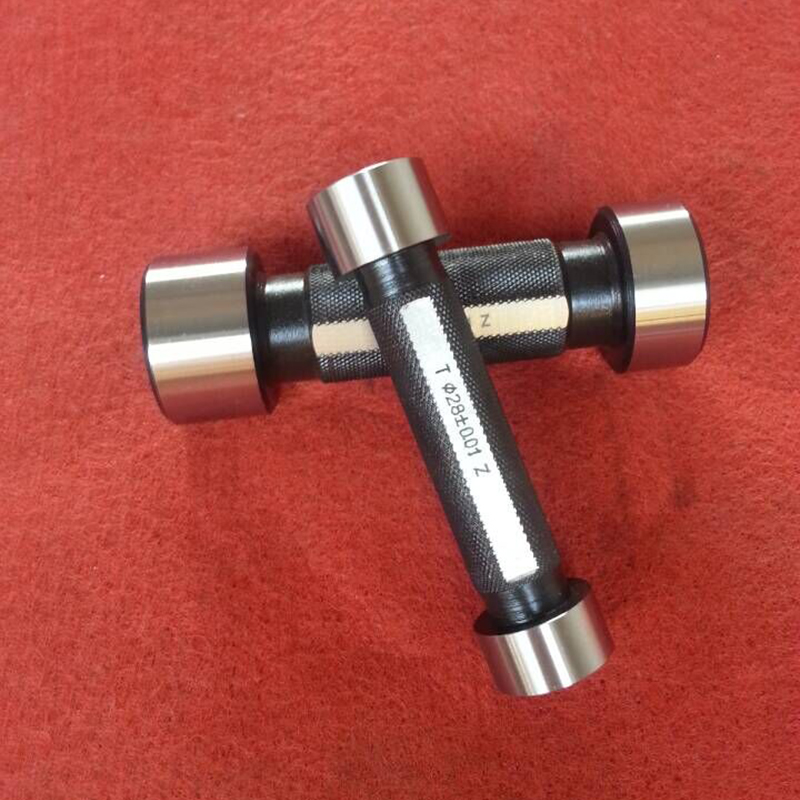
Using Ring Gauge for Precision Measurements in Quality Control Testing
The Importance of Ring Gauges in Quality Control In the world of manufacturing and engineering, prec

Versatile 3D Welding Table for Precision Fabrication and Efficient Workflow Solutions
The Advantages of a 3D Welding Table in Modern Fabrication In today’s fast-paced manufacturing envir
 English